
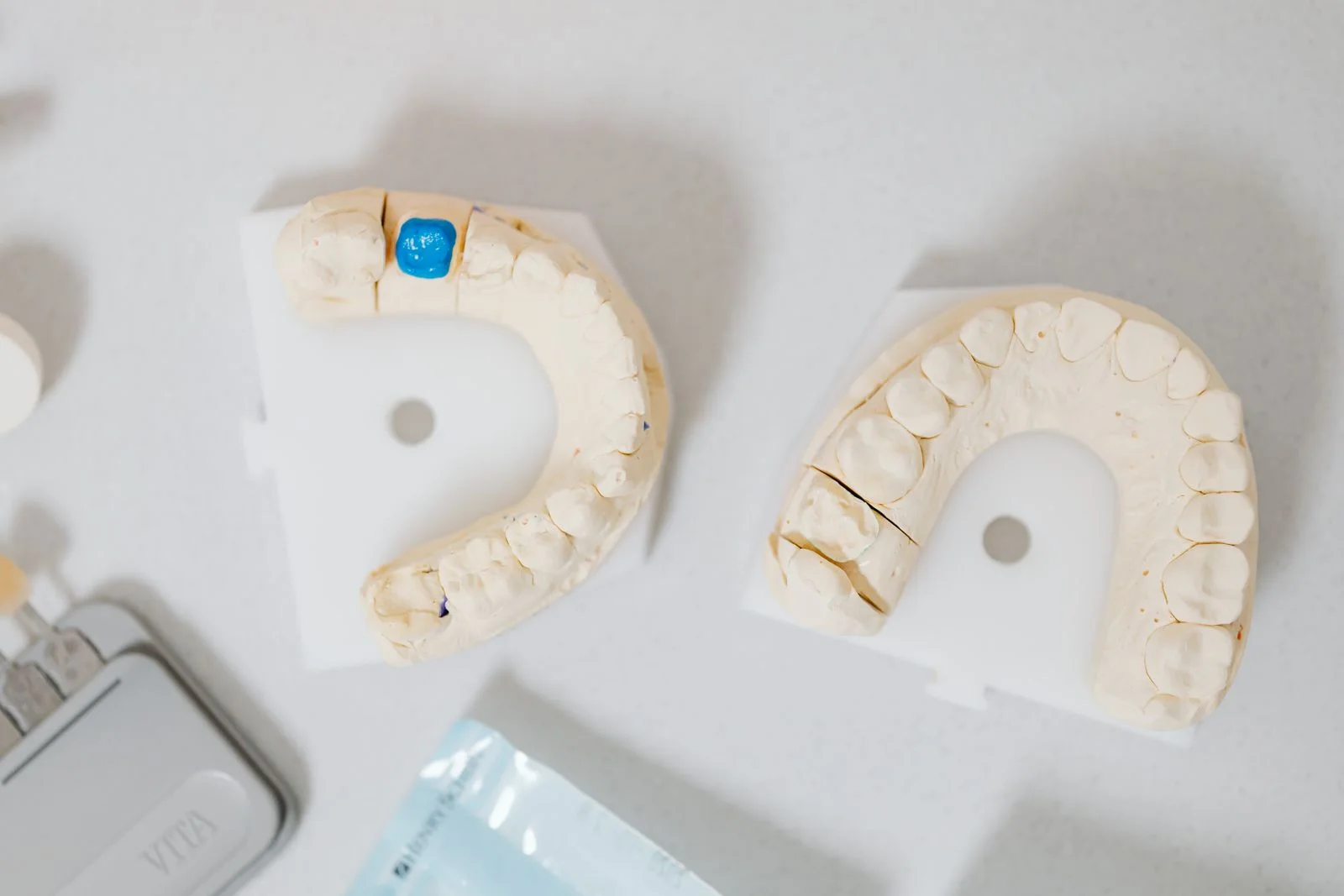
Stock photograph for illustration; not a participating clinic, practitioner, patient or treatment result. Photo: Kaboompics / Pexels.
Knowing what to ask about orthodontic follow-up before you start treatment helps you understand the full commitment involved — not just the active phase, but everything that comes after. This guide walks through the questions worth raising at your consultation so there are no surprises once appliances come off.
Why the Post-Treatment Phase Deserves Attention Before You Start
Most people focus their pre-treatment questions on appliance type and estimated duration. The retention and follow-up phase tends to get less attention until it arrives. Yet this phase is a core part of orthodontic care: once active treatment ends, teeth need ongoing support to stay in their corrected positions. Understanding what that looks like practically — and what it may cost — is a reasonable thing to clarify upfront.
The Australian Society of Orthodontists publishes a checklist of cost-related questions that prompts patients to ask specifically about retainers, replacement retainers, and follow-up visits as separate line items. That framing is useful because each of those elements can vary significantly from practice to practice.
See also: What orthodontics means before a consultation
What a Written Treatment Plan Should Cover
A written plan is the clearest way to understand what you are agreeing to. Before treatment begins, ask the practitioner to explain what the plan document actually contains. Some questions worth raising:
- Does the written plan describe both the active treatment phase and the retention phase?
- Are follow-up visits during retention listed separately from visits during active treatment?
- Is there a written estimate for how long the retention phase is expected to continue?
- What happens if your circumstances change mid-treatment — is there a written variation process?
Written plans are not a formality. They give you something concrete to refer back to if your situation or the practice’s staffing changes over a multi-year period. If a plan document is unclear or uses clinical shorthand, healthdirect Australia recommends asking your health professional to explain things in plain language you can actually understand — a reasonable expectation at any consultation.
Appliance Types and Their Follow-Up Implications
The Australian Society of Orthodontists identifies metal braces, ceramic braces, lingual braces, and clear aligners as distinct appliance categories. Each has different practical implications for follow-up frequency and retention design, though what applies to any individual depends on their clinical situation and is a question for the treating practitioner.
What you can usefully ask at a consultation:
- How often would I need to come in during active treatment with the proposed appliance?
- How does the follow-up schedule change once active treatment finishes?
- Does the type of retainer used after treatment affect how often I need to be seen?
For people considering clear aligners, it is also worth asking whether remote check-in options exist between in-person visits, and what the practice’s position is on in-person supervision. The Australian Dental Association recommends in-person assessment and supervision rather than DIY approaches — a useful reference point when evaluating any arrangement that minimises face-to-face contact.
If you are exploring aligner-based options, see: Clear Aligner Consultation Enquiries
Clarifying Which Visits Are Included in a Quote
This is one of the most practical questions to ask and one that is easy to overlook. The ASO’s cost checklist specifically prompts patients to ask which visits are included in a quote — because practices structure this differently. Some include all retention visits for a defined period; others charge per visit after active treatment ends.
Consider asking:
- Are all visits during the retention phase included in the quoted fee?
- If not, what is the per-visit cost?
- Is there a defined end point to the follow-up period, or is it open-ended?
- What is the process if I need an unscheduled visit — for example, if a retainer breaks?
Hypothetical scenario (not a customer account): Imagine two patients who start treatment at the same practice on the same day. One is quoted an all-inclusive fee covering two years of retention visits; the other is quoted for active treatment only, with retention billed separately. Without asking this question directly, the second patient may not realise the total cost differs substantially until treatment ends.
This kind of variation is exactly why asking for a written breakdown matters.
Retainer Questions Specifically
Retainers are the mechanism through which teeth are held in position after active treatment. The ASO checklist includes questions about retainers and replacement retainers as distinct items — which signals that these are worth treating as separate topics rather than assuming they are automatically included.
Useful questions:
- What type of retainer is planned — removable, fixed, or a combination?
- Is the initial retainer included in the quoted fee?
- What is the cost of replacing a retainer if it is lost or damaged?
- How long will I need to wear a retainer, and will that change over time?
The answers to these questions vary by practitioner and by clinical situation. The goal here is to understand the financial and practical commitment before you start, not to predict what any individual case will require.
For general background on what to expect in an initial consultation: First orthodontic consultation preparation
Questions About Contact After Treatment Ends
It is worth asking how the practice expects you to stay in contact once the active treatment phase is complete — particularly over what may be a multi-year retention period.
- Is there a scheduled recall system, or does the patient initiate contact?
- If I have a concern between scheduled visits, who do I contact?
- If the treating practitioner leaves the practice, what continuity arrangements exist?
- Is there a formal sign-off point where treatment is considered concluded?
These questions are not about distrust — they are about understanding how the relationship works over time. Orthodontic treatment often spans years, and practices can change. Knowing the communication structure in advance is simply good preparation.
Checking Practitioner Registration
Orthodontists are registered dental specialists. The Ahpra public register allows you to check whether a named individual holds specialist dental registration. It is worth checking the individual practitioner’s name on the register, not just the business name, since specialist status relates to the person rather than the practice.
For context on the distinction between orthodontists and general dentists who provide some orthodontic treatment: Orthodontist and dentist roles questions to ask
Preparing Your Own Question List
Healthdirect Australia suggests writing down questions before a health appointment and asking for clarification when answers are unclear. That approach is straightforward and effective. For orthodontic consultations, a practical pre-visit list might cover:
- What does the written plan include and exclude?
- Which visits are covered in the quoted fee?
- What retainer is planned, and is it included?
- What does replacement retainer cost?
- How long is the retention phase expected to last?
- What is the process for contact after treatment?
- What happens if the treating practitioner changes?
Bringing this list to a consultation helps you get consistent, comparable information across any practices you visit.
If you are ready to take the next step, you can request a consultation enquiry through this site for adult orthodontic referrals in Adelaide, or explore braces consultation enquiries if that is the appliance category you are considering.
For broader background on assessments and records: Orthodontic assessment and records questions
Further reading
- Australian Society of Orthodontists – Treatment Comparison Table: https://orthodonticsaustralia.org.au/wp-content/uploads/2020/01/ASO_Treatment-Comparison_Table_A4_V24.pdf
- Orthodontics Australia – Adults and Orthodontics eBook: https://orthodonticsaustralia.org.au/wp-content/uploads/2018/04/eBook-Adults-Orthodontics.pdf
- Australian Dental Association – Teeth Straightening and Braces: https://teeth.org.au/teeth-straightening-and-braces
- Ahpra Practitioner Register: https://www.ahpra.gov.au/Registration/Registers-of-Practitioners/Professions-and-Divisions.aspx
Sources and further reading
- Professional dental information — ASO_Treatment Comparison_Table_A4_V24.pdf
- Professional dental information — 2019 09 OA Orthodontics Checklist A4 concepts_v2.pdf
- healthdirect Australia — questions to ask your doctor
- Australian Dental Association — teeth straightening and braces
- Ahpra practitioner information — Professions and Divisions.aspx
Source links provide background, not an endorsement or clinical review of this page. Read our editorial approach.