
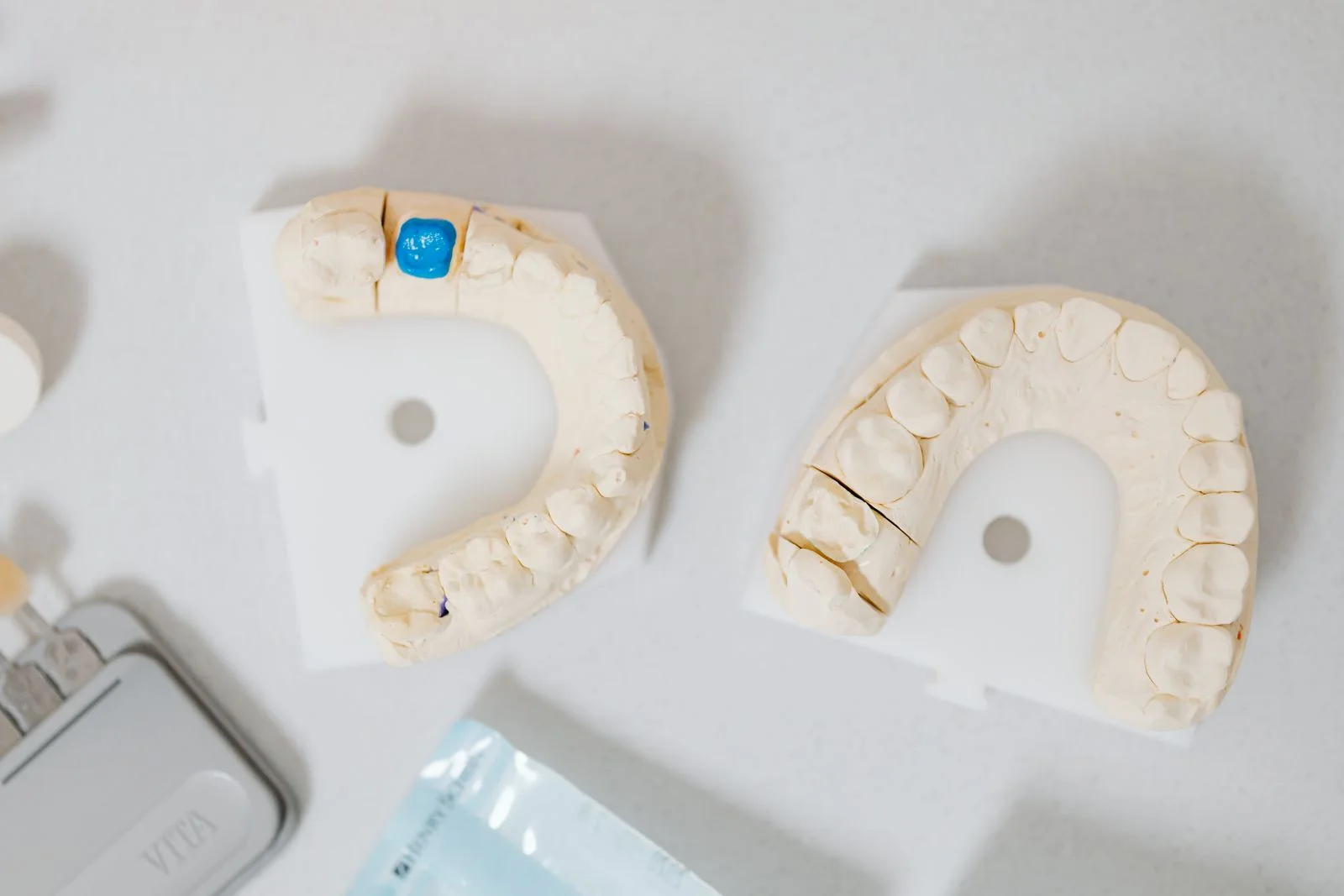
Stock photograph for illustration; not a participating clinic, practitioner, patient or treatment result. Photo: Kaboompics / Pexels.
Orthodontic payment plans Adelaide practices offer vary considerably in structure, inclusions and terms. Before signing anything, the most useful thing you can do is read the written fee agreement carefully and prepare specific questions for the treating practitioner — not a referral website, not a friend, and not a sales brochure. This guide helps you know what to look for and what to ask.
Why payment terms deserve the same attention as the clinical plan
Orthodontic treatment typically runs over an extended period, so a payment arrangement that looked manageable at sign-up can become difficult if circumstances change. Unlike a one-off dental procedure, the financial commitment stretches across recall visits, possible appliance replacements, and a retention phase after active treatment ends. The Australian Society of Orthodontists (ASO) publishes a checklist prompting patients to confirm exactly what their quote includes — items such as records, appliances, visits, retainers, replacement retainers and follow-up care are all worth clarifying explicitly rather than assuming they are covered.
That checklist approach is a good mental model: treat the fee agreement as a list of questions rather than a document to scan and sign.
Read the written terms before the consultation ends
Ask for the full written fee schedule at or before the consultation, not on the day you are ready to begin treatment. Things worth locating in the document include:
- What is included in the quoted fee — does it cover all scheduled visits, or are some billed separately?
- What triggers additional charges — lost or broken appliances, missed appointments, extended treatment duration?
- Retainer costs — are initial retainers included, and what does a replacement cost?
- Deposit and instalment structure — when is each payment due, and what are the consequences of a late payment?
- Cancellation or pause provisions — what happens if you need to pause or stop treatment partway through?
If any section is unclear, ask the practice to explain it in plain language before you proceed. Healthdirect Australia notes that writing down questions and asking for explanations in understandable terms is a sound approach to any health-related consultation.
Questions to ask the provider directly
The treating orthodontist or practice coordinator is the right person to answer questions about fees and terms — not a third-party website. Here are questions worth raising:
- Is this quote an all-inclusive fixed fee, or is it an estimate?
- Which specific items are excluded from the quote?
- How are payment instalments structured, and through which mechanism (direct debit, third-party finance, in-house plan)?
- If treatment takes longer than planned, does the fee change?
- Are there any finance charges, interest or administration fees attached to a payment plan?
- What happens to the financial arrangement if I move, change practitioners or stop treatment?
- When is the initial records fee due, and is it credited against total treatment cost?
The ASO checklist specifically prompts patients to ask about assessment fees, records fees, appliance costs, visit fees, retainers and replacement retainer costs — covering each of these at the consultation prevents surprises later.
A hypothetical scenario: two quote structures compared
The following is a hypothetical example for illustration only — it does not represent any real patient, practice or outcome.
Imagine two people each receive a written treatment quote. Person A’s quote is described as an “all-inclusive fixed fee” covering all visits, one set of retainers and two years of retention reviews. Person B’s quote lists a lower headline figure but notes that records, retainers and any visits beyond a scheduled number are billed separately. Both quotes look reasonable at first glance. Person A’s terms are simpler to budget; Person B needs to calculate the likely total by asking for estimates of each unbundled item. Neither arrangement is inherently better — but the person who reads and questions both documents is in a much better position than the person who compares only the headline numbers.
What private health insurance may or may not cover
Some private health insurance extras policies include an orthodontic benefit, but the specifics — annual limits, lifetime limits, waiting periods and eligible item numbers — vary between funds and policy tiers. Confirm your entitlements directly with your insurer before the consultation, so you can ask the practice the right questions about how they handle health fund claims. Neither this guide nor the treating practice can tell you what your individual policy covers; that answer sits with your fund.
Third-party payment plans and finance products
If a practice mentions third-party finance, ask who provides it and request the terms separately from the clinical fee proposal. Ask about interest, fees, repayments and what happens if treatment changes or stops. This website does not assess credit suitability or interpret a finance contract. Seek an explanation from the provider and independent advice if you do not understand the commitment.
Verifying who you are dealing with
Orthodontists are registered dental specialists. The Australian Health Practitioner Regulation Agency (Ahpra) maintains a public register of dental practitioners, including those with specialist registration. You can search the register by the individual practitioner’s name — registration is under the person, not the business. This is a straightforward step before committing to a multi-year financial arrangement with any practice.
For background on how orthodontists and general dentists differ in scope, see Orthodontist and dentist roles questions to ask.
Preparing for the financial conversation at your consultation
The best preparation is a short written list of questions taken into the consultation room. If you are still building general background knowledge, the guides on what orthodontics means before a consultation and first orthodontic consultation preparation cover the clinical side of that preparation. For the financial side, the core habit is simple: read the written terms, write down anything unclear, and ask the provider directly before signing.
If you are ready to take that step, you can request a consultation enquiry to connect with an Adelaide orthodontic provider, or explore braces consultation enquiries and clear aligner consultation enquiries depending on what you are considering.
Further reading
- Australian Society of Orthodontists — Orthodontics Checklist: https://orthodonticsaustralia.org.au/wp-content/uploads/2019/11/2019-09-OA-Orthodontics-Checklist-A4-concepts_v2.pdf
- Australian Society of Orthodontists — Adults and Orthodontics eBook: https://orthodonticsaustralia.org.au/wp-content/uploads/2018/04/eBook-Adults-Orthodontics.pdf
- Ahpra Registers of Practitioners: https://www.ahpra.gov.au/Registration/Registers-of-Practitioners/Professions-and-Divisions.aspx
- Healthdirect — Questions to ask your doctor: https://www.healthdirect.gov.au/healthcare-and-services/general-health/questions-to-ask-your-doctor
Sources and further reading
- Professional dental information — 2019 09 OA Orthodontics Checklist A4 concepts_v2.pdf
- healthdirect Australia — questions to ask your doctor
- Ahpra practitioner information — Professions and Divisions.aspx
Source links provide background, not an endorsement or clinical review of this page. Read our editorial approach.